Buying Pallets: A Comprehensive Guide
Pallets are an essential part of supply chain management and logistics. They function as the underlying structure that permits the efficient transport, storage, and handling of goods. Whether you're a small company owner, a manufacturer, or somebody wanting to handle a DIY job, comprehending the process of buying pallets can enhance your operations considerably. agronytradingllc dives deep into the types of pallets offered, what to think about when purchasing, where to purchase them, and answers to regularly asked questions.
Kinds of Pallets
Before acquiring pallets, it's vital to understand the different types readily available. Each serves a particular function, and choosing the best one can impact whatever from managing to shipping expenses.
| Type | Description | Advantages | Disadvantages |
|---|---|---|---|
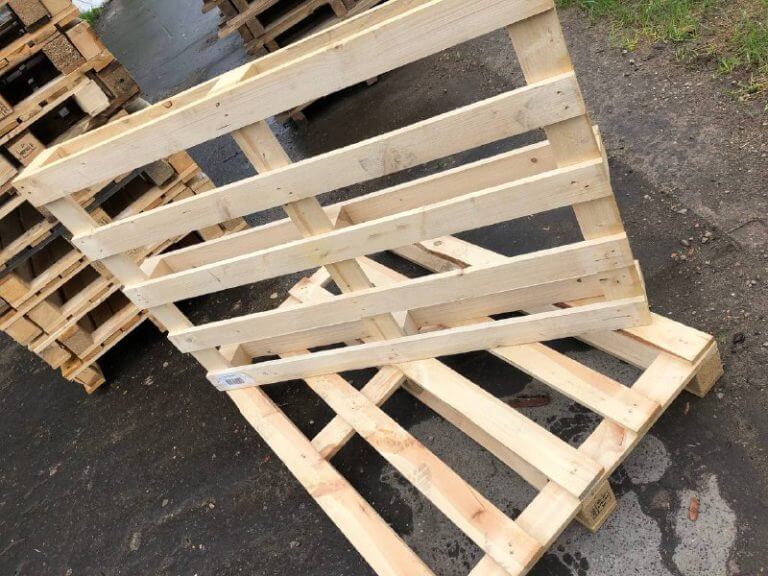
| Wooden Pallets | Made from various types of wood, often used for shipping goods. | Strong, long lasting, and affordable. | Can splinter and may be subject to pest problems. |
| Plastic Pallets | Made from high-density polyethylene or polypropylene. | Light-weight, simple to clean, and resistant to rot. | Normally more costly than wooden pallets. |
| Metal Pallets | Made from steel or aluminum, ideal for heavy loads. | Exceptionally resilient and lasting. | Heavy and may be cost-prohibitive for some applications. |
| Cardboard Pallets | Light-weight, made from corrugated cardboard. | Environment-friendly and recyclable. | Not appropriate for heavy or damp loads. |
Selecting the Right Type
When selecting a type of pallet, consider the list below elements:
- Weight Capacity: How much weight will you be carrying?
- Sturdiness Needs: Will the pallets be recycled, or are they just for one-time use?
- Cost Constraints: What is your spending plan for pallets?
- Ecological Concerns: Do you desire to choose a more sustainable choice?
- Storage Conditions: Will the pallets be kept indoors or outdoors? Will they be exposed to moisture?
Where to Buy Pallets
Discovering the ideal supplier can make all the difference. Here's a list of potential sources for acquiring pallets:
- Pallet Manufacturers: Directly buying from manufacturers can provide the best rates and custom choices.
- Wholesale Distributors: These suppliers frequently bring a big inventory and can offer discounts for bulk purchases.
- Regional Retailers: Many regional stores receive shipments on pallets and may want to offer or offer them away.
- Online Marketplaces: Websites such as eBay, Craigslist, and even Amazon have listings for pallets.
- Recycling Facilities: Some recycling centers use used pallets at a portion of the expense.
Factors to consider When Choosing a Supplier
- Track record: Research examines and rankings to guarantee you are buying from a trusted supplier.
- Shipping Options: Consider whether the supplier offers delivery and what the associated expenses may be.
- Custom-made Orders: Some suppliers might offer custom-made sizes or products; inquire if your service requires something particular.
- Return Policies: Understand the return policy in case the pallets do not meet your expectations.
Factors to Consider Before Purchasing
Before settling your purchase, here are some additional factors to consider:
- Size Requirements: Ensure you know the standard pallet sizes (like 48x40 inches for basic pallets) and if you require anything outside of that range.
- Condition: Are you searching for new or used pallets? Each option has its benefits and downsides.
- Regulatory Compliance: Depending on your location and market, certain pallets might require to satisfy specific security or health regulations.
Usage Scenarios
| Application | Ideal Pallet Types | Notes |
|---|---|---|
| Warehousing | Wooden or plastic pallets | Durability is essential; consider weight capability. |
| Food and Beverage | Plastic pallets | Easy to clean up and sanitize. |
| Heavy Industry | Metal pallets | Extraordinary resilience required. |
| Retail | Cardboard or wooden pallets | Affordable for light products. |
Frequently Asked Questions (FAQ)
1. What's the typical expense of a pallet?
The cost differs extensively depending on the type and condition. Wooden pallets usually range from ₤ 10 to ₤ 50, while plastic pallets can cost between ₤ 25 to ₤ 100.
2. How can I inform if a used pallet is safe to utilize?
Inspect for splinters, broken boards, or extreme wear. It's likewise crucial to examine for accreditation stamps that indicate they fulfill security standards.
3. Can I tailor pallets for particular usages?
Lots of producers use modification choices in regards to size, weight capacity, and material.
4. Are pallets recyclable?
Yes, wooden pallets can often be recycled or repurposed, while plastic pallets might be returned to the supplier for recycling.
5. How can I transfer pallets efficiently?
If buying wholesale, think about utilizing a truck or trailer. For smaller sized purchases, regional pickups can save money on shipping costs.
Buying pallets might appear straightforward, however understanding the intricacies can conserve you time and money in the long run. By knowing the numerous types readily available, where to purchase them, what aspects to consider, and responding to some typical concerns, you're better geared up to make informed choices. Whether for industrial usage, warehousing, and even DIY tasks, choosing the best pallets is important for effectiveness and security.
Ensure to take your time researching and consider all your options before purchasing. Pleased pallet hunting!